

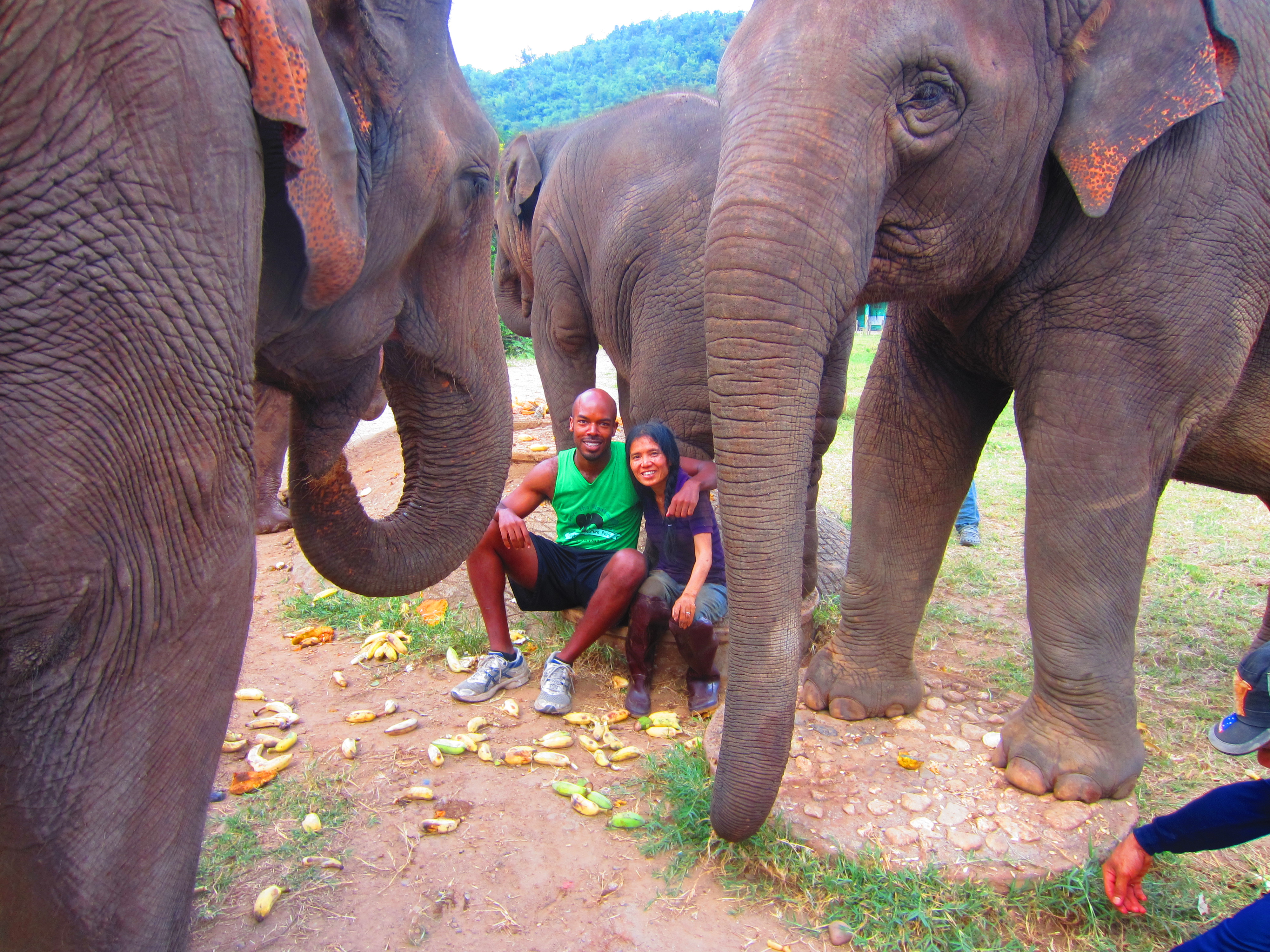
 Photos from my week at Elephant Nature Park
What is the first thing you think about when you hear the word Thailand? Is it the spiciness of Thai food, the unfortunate Tsunami disaster of 2004, or the craziness of Bangkok traffic? For most people it is none of the above. Many of my friends emphatically answered this question with a single word. Elephants!!! I also desired to see these awe-inspiring creatures as I prepared for my life in Thailand. However, once in Thailand, I decided not to experience elephants in the same manner that most tourists do.
Foreigners of all ages flock to Thailand annually to attend elephant shows, participate in elephant riding and pet 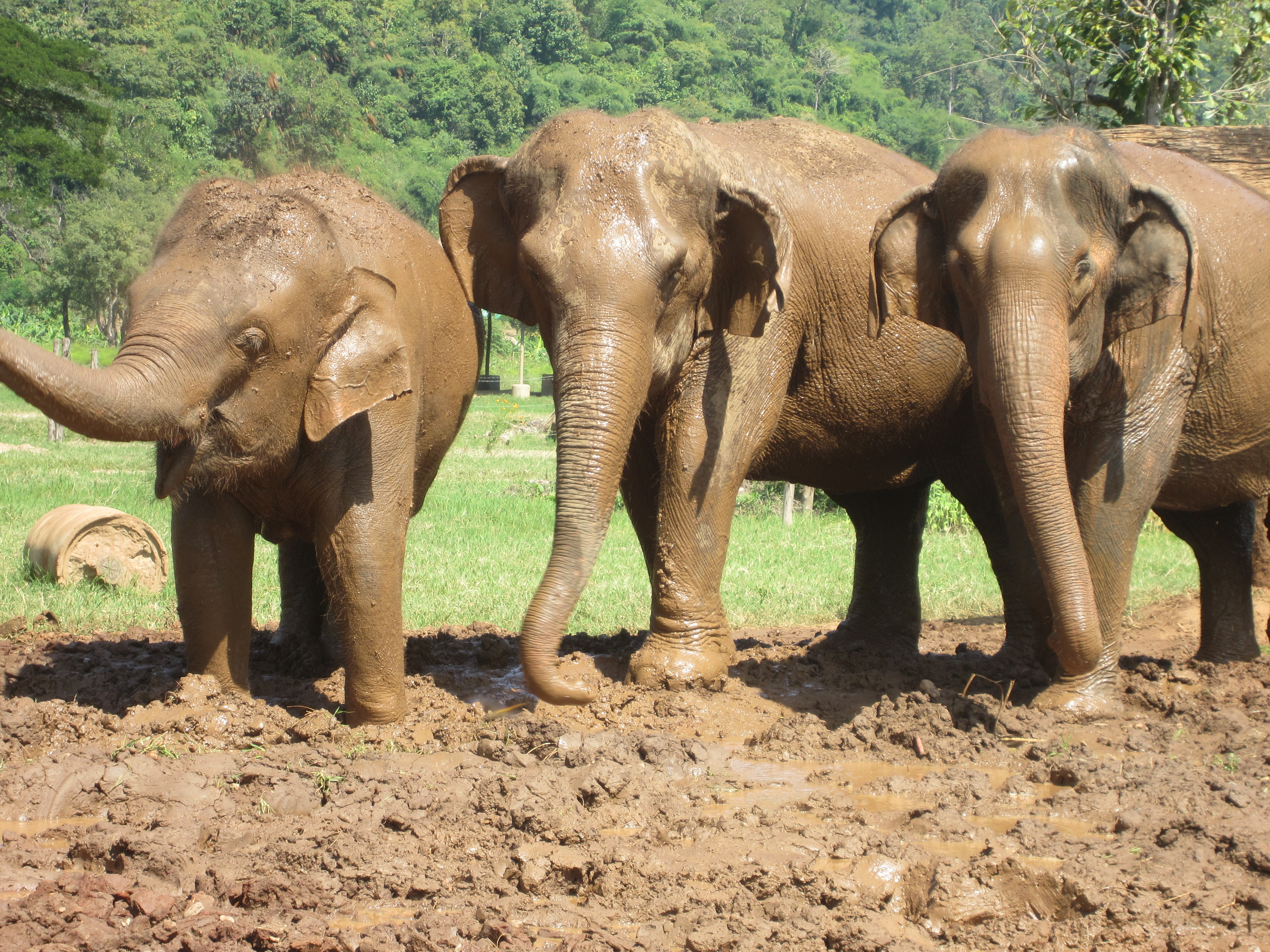 baby elephants. Unfortunately, many tourists are unaware of the cruel training and punishment that the majority of these intelligent beings suffer through. I was made aware of it while searching for a documentary on animals to show to my Thai students. I lucked upon a documentary titled “The Last Elephants in Thailand.” I highly recommend you watch it for your next movie night. The video is embedded at the bottom of this post or you can watch it on youtube.
The documentary sheds light on the gruesome training that is involved in teaching elephants tricks. A mahout, or elephant trainer, is usually assigned to an elephant as a baby. The majority of elephants are broken into submission by having all 4 legs 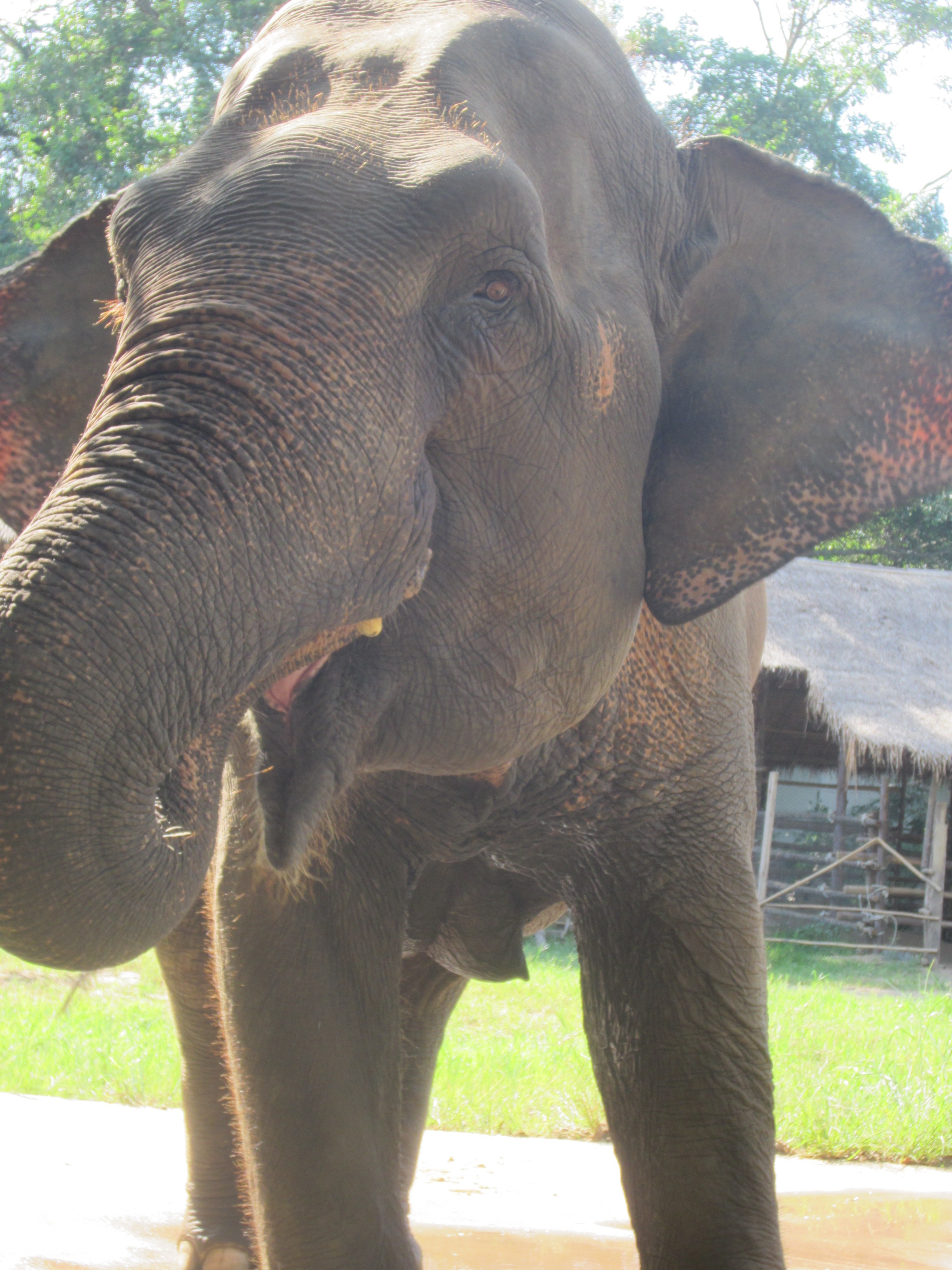 chained and placed in a 4 sided enclosure without enough room for the animal to turn around. They are then beaten with the infamous “hook” until they no longer fight back. The sight of the hook is the first sign of abuse. The hook often causes flesh wounds that penetrate the elephant deeply. If you ever attend any type of event where elephants are and you see the hook, know that abuse is occurring. The hook is also used to direct the elephant which way to walk. The tool is poked into the thin sensitive skin of the elephant’s ears and then the mahout pulls the hook in the direction desired. Holes in the ears, and tattered ears are often the result and are another sign of abuse. This graphic training is depicted in the aforementioned documentary. Recently, elephant paintings have become a popular souvenir for tourists. During a show, an elephant will stand in front of a canvas and paint an abstract picture. Sadly, prior to the shows, elephants learn to do this by having their trucks grabbed with the hook and pushed against the canvas. When it is time for the show the elephants perform the same task out of fear and not desire. In addition to the already egregious painting shows, some elephants camps advertise an elephant breeding show. Elephants are forced to mate in front of tourists by training methods that are
 not worth repeating.
One elephant, Jokia, is documented in detail in the video. She worked as a logging elephant in Thailand and Burma. A mahout, on lunch break, started shooting small rocks at Jokia one day for fun. Disastrously, a rock hit her eye and caused her to become blind in one eye. Jokia was forced to continue to work as a logging elephant with one eye. After being pregnant for 22 months, the longest gestation period of any animal, she lost her baby as she gave birth while moving logs and the baby elephant fell off a cliff as it was being born. Heartbroken, as any mother would be, Jokia refused to move any more logs and laid down. A cantankerous mahout proceeded to stab Jokia in the other eye. Jokia was rescued and purchased by elephant nature park shortly after becoming blind. Read more about Jokia by clicking this link. After hearing her story, I decided to volunteer at this haven for rescued elephants for 7 days.
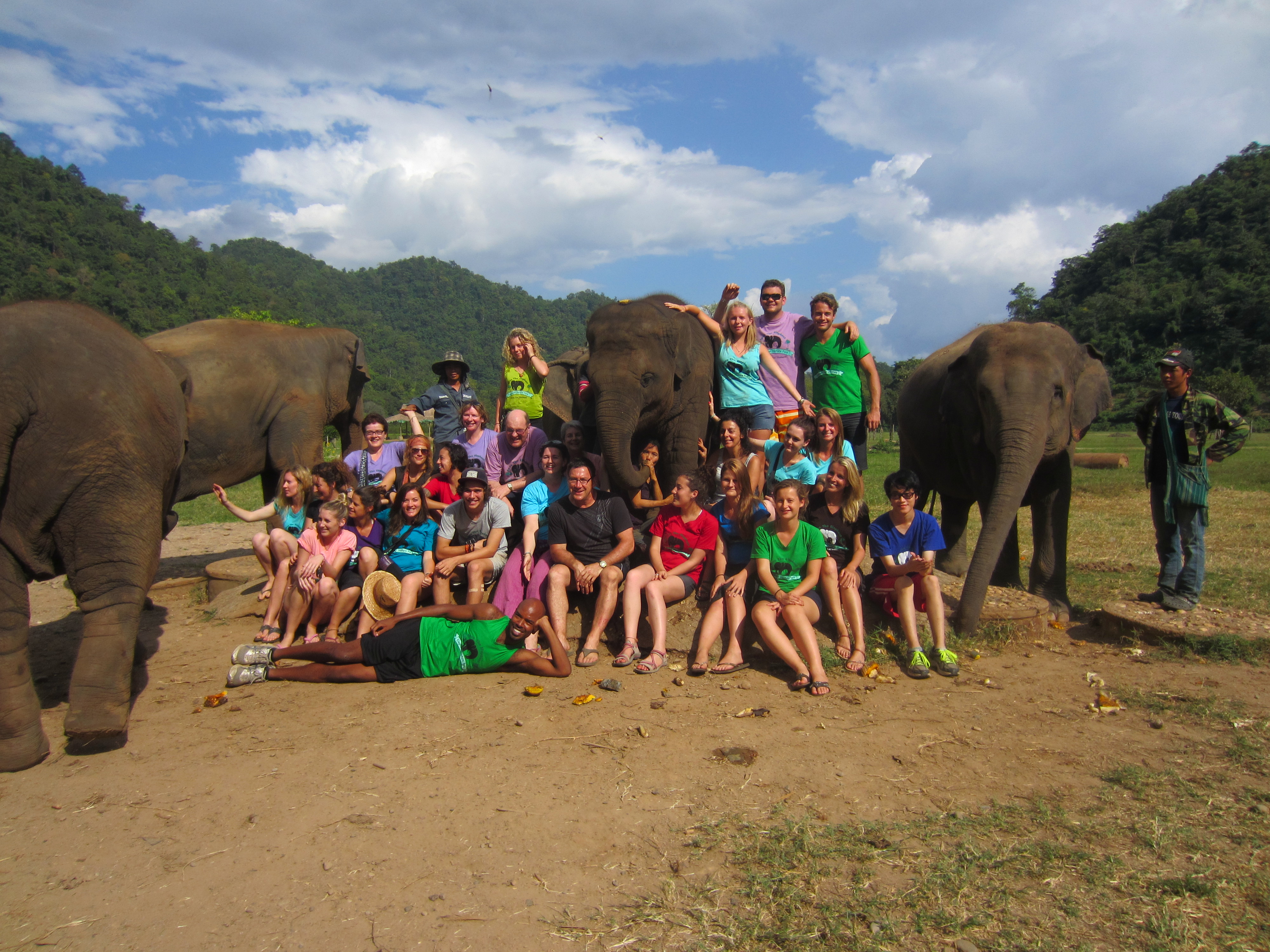
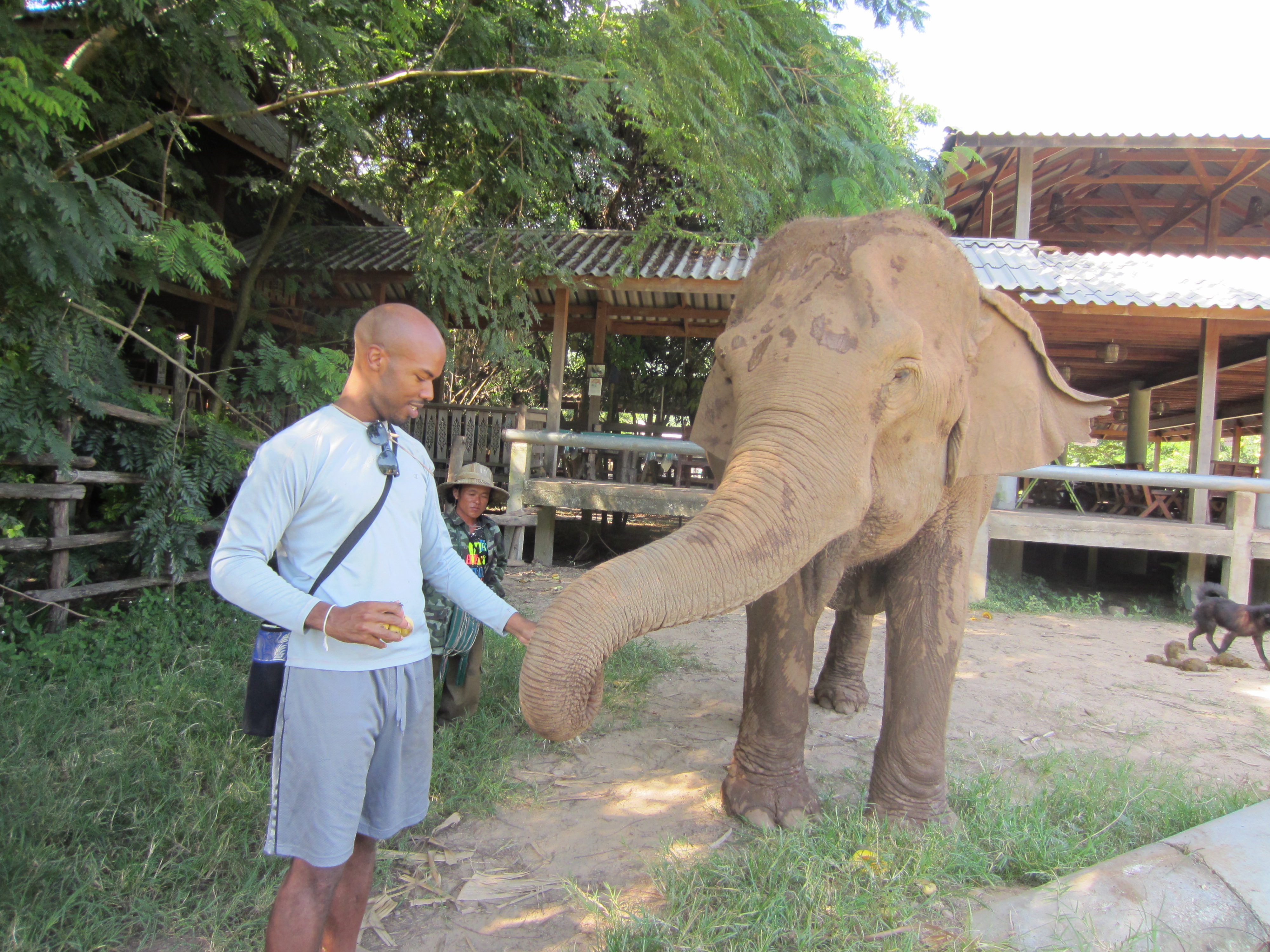 Elephant nature park is a park for abused and rescued elephants. The park was founded by Lek. A Thai woman of small stature with one of the largest hearts on Earth. There are no rides nor elephant paintings here. Mental, emotional, and physical rehabilitation are the aims of this park. It is unbelievable that these elephants are capable of letting human beings back in their life after the mistreatment they endured. I had a chance to feed Jokia and look into the vacant craters which use to hold her eyeballs. There were a group of 34 people who were volunteering this particular week. These volunteers were from many different walks of life. They ranged from 18 year old Europeans on gap year to retired grandparents checking off their bucket list.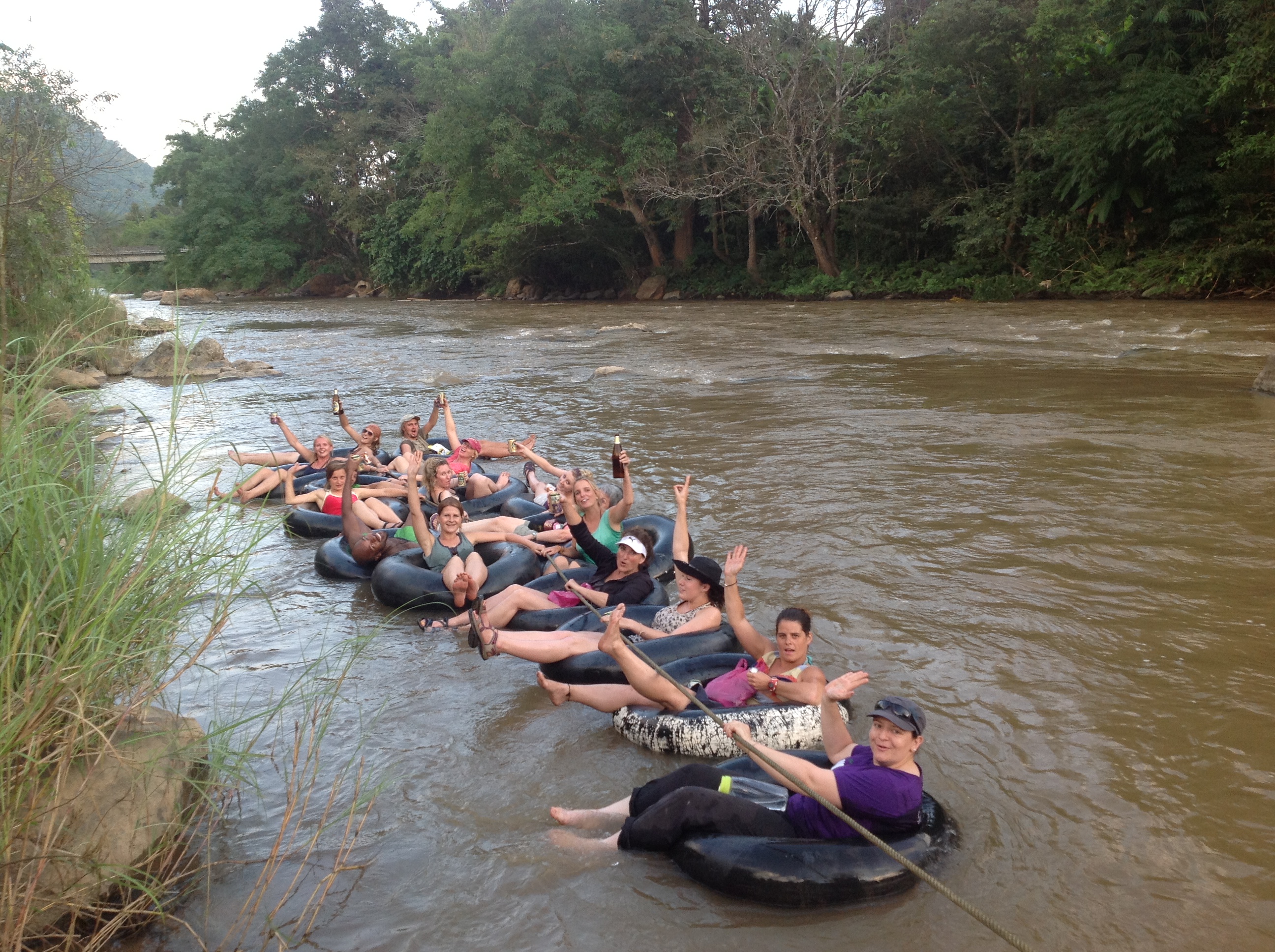
The activities included:
Bathing & swimming with elephants
Scooping and moving elephant manure
Cutting 6ft tall grass stalks with machetes
Hoeing banana trees
Organizing the elephant kitchen
Eating vegetarian food for a week
Tubing down a Thailand river with a cold beer in my hand
Playing poker & signs
Watching a baby elephant the first day of its birth
Click here to view all my photos from my week at Elephant Nature Park
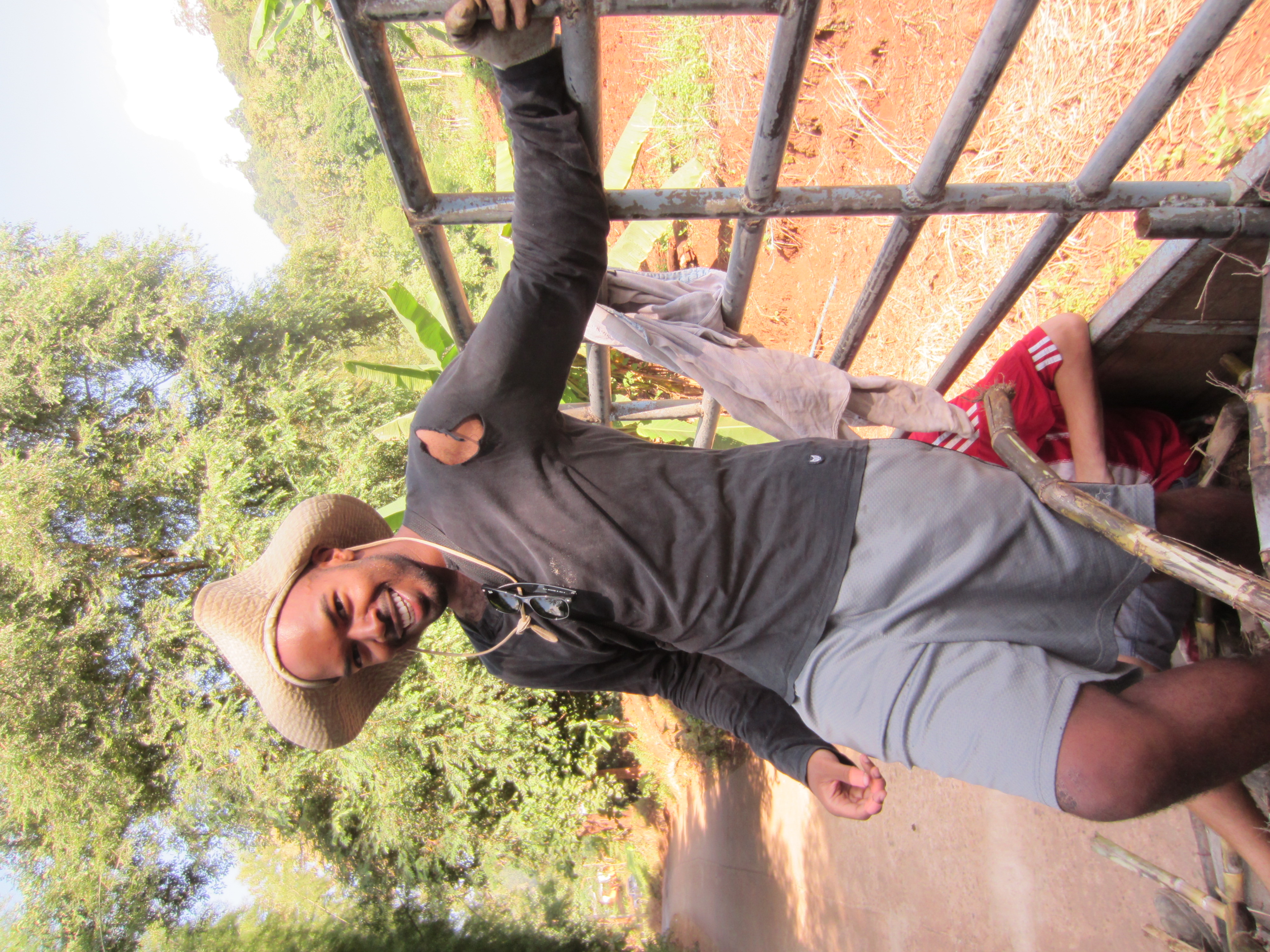 My week at Elephant Nature Park was probably one of the happiest of my life. Elephants are incredible creatures. However, the park is a scary reminder of the powerful statement people make when spending their money. The tourist dollar is the only reason most of these shows and mistreatment of elephants continue on. The next time you attend any animal function please do your research and be aware of the statement you are making with your money. Does an elephant really want to paint a canvas? Does it want to carry a carriage of people on its back everyday the rest of its life? With its sensitive ears, does it want to hear a circus cannon go off every day? Does it want to be forced to mate simply for entertainment?
This is a crazy story, Dub. I’m glad you had the chance to help out and get this experience. Is there a way to donate to the park? If so, can you please include that link in this blog?
Hey Joce there are a few ways to help the park out monetarily and non-monetarily. Look at this link
http://www.elephantnaturepark.org/howyoucanhelp.htm
Wow. I hope the elephants I rode in India weren’t subject to this abuse. Thanks for sharing this.
Wow, such a powerful post. Thank you for sharing. I will definitely think twice about any shows I attend with elephants in the future.
Great post Dub! Can we schedule a visit to the Elephant Nature Park in March?
I sooooooooo love this post and the beautiful pictures. Watching animal planet and when animals attack provided so much knowledge about animals in captivity. Helped me realize that if I can not see the animals in the wild then I do not want to see them. That last trip to the zoo years ago, I kept saying to NyJal and TJ why do the animals look so sad?